How Much Medicine Goes in a Nebuliser Cup?
The capacity of a nebuliser medicine cup varies by device, and the medicine left behind at the end of a treatment is a normal occurrence called dead volume. This guide covers correct fill amounts, residual medicine, and practical tips for every day use.
Two questions come up almost every time someone starts using a nebuliser: "How much medicine do I put in the cup?" and "Why is there still liquid left after the treatment?" This guide answers both, step by step.
Cup Capacity: What to Expect
Nebuliser medicine cup capacity varies from one device to another. Most devices fall into two broad groups:
- Compressor nebulisers: Generally have a larger cup volume, suited to longer treatment sessions.
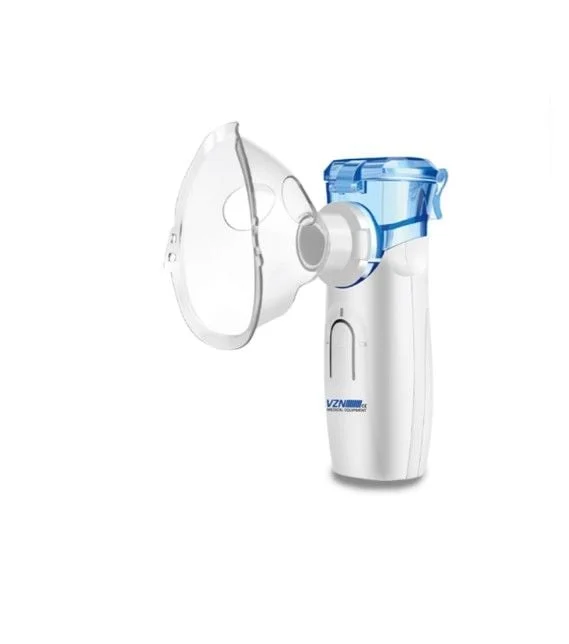
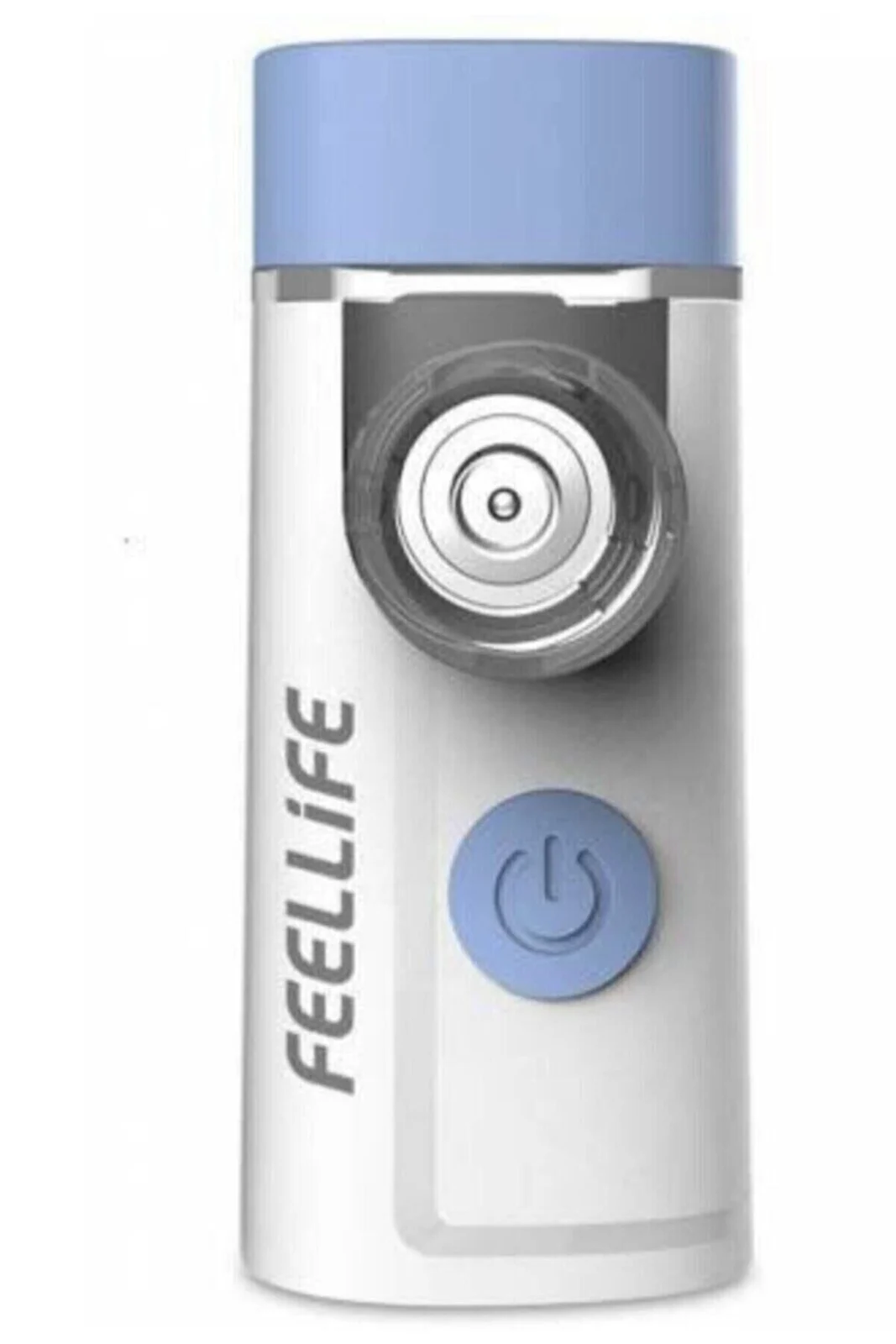
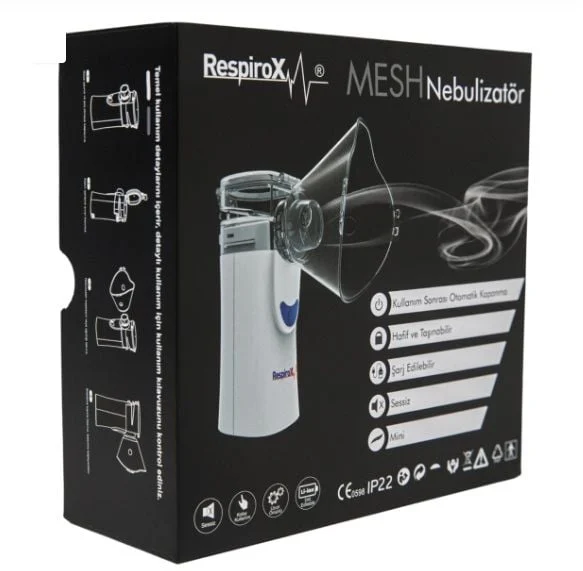
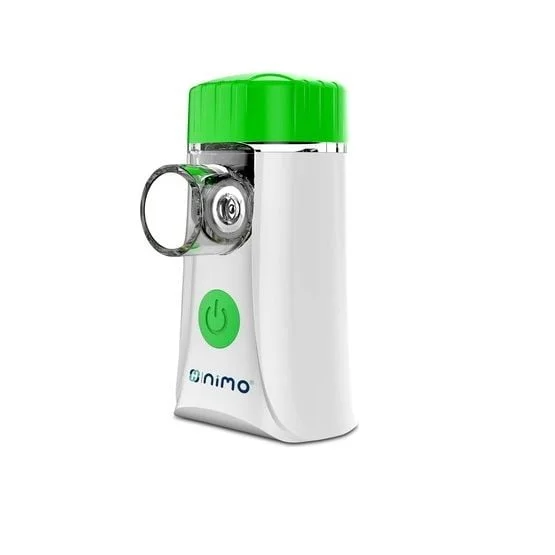
- Mesh nebulisers: More compact by design, so cup capacity is typically smaller, which also tends to mean less wasted medicine.
The most reliable way to find your device's exact cup capacity is to check the instruction manual that came with it. Capacity can differ between models, so keep that manual somewhere handy.
How Much Medicine Should You Put In?
Your doctor or pharmacist will prescribe a specific volume and, where needed, dilution instructions. In practice, keep the following in mind:
- Respect the minimum fill level: Too little liquid in the cup can prevent the device from producing aerosol properly and means you may not receive the full dose. Never go below the minimum fill level stated in your device's manual.
- Do not exceed the maximum fill level: Overfilling can cause leaks and may damage the device.
- Follow dilution instructions exactly: Some medicines are used undiluted; others need to be mixed with sterile saline. Only your doctor or pharmacist can make that call.
- Use a graduated syringe or dropper: Accurate measurement matters. Use the syringe supplied with the medicine or one obtained from your pharmacy.
Why Is There Medicine Left After the Treatment?
At the end of a session, you will almost always find a small amount of liquid remaining in the cup. This is completely normal and is known as dead volume or residual volume.
What is dead volume?
Because of the shape of the medicine cup and the way the mesh plate (or, in compressor devices, the jet nozzle) works, not every drop of liquid can be converted into aerosol. Once the fluid level drops below a certain point, the device can no longer produce aerosol efficiently and the treatment ends. The liquid remaining at that point is the dead volume.
Why does dead volume matter?
- Doctors typically account for dead volume when calculating your prescribed dose. The medicine left behind is expected, so there is no need to worry that you have missed part of your treatment.
- Do not try to reuse leftover medicine from a previous session. Always prepare a fresh dose for each treatment.
- After each session, discard the remaining liquid, then clean the cup according to the manufacturer's instructions.
Dead volume in mesh nebulisers
Mesh nebulisers typically produce a lower dead volume than compressor models, which means a greater proportion of the medicine is delivered as usable aerosol. For patients using costly or low-volume medicines, this difference can be meaningful. Browse the mesh nebuliser range if you would like to compare options.
Factors That Affect Fill Volume
| Factor | Effect |
|---|---|
| Medicine type | Some medicines are used neat, others are diluted; total volume changes accordingly |
| Prescribed dose | The dose set by your doctor determines the total liquid to be added |
| Device model | Minimum and maximum fill limits differ between models |
| Treatment duration | Longer sessions may need more liquid; always check the manual |
Practical Tips
- Before each use, make sure the medicine cup is clean and dry. See our Mesh Nebuliser Cleaning Guide for step-by-step instructions.
- Wash your hands thoroughly before handling the cup and medicine.
- If you dilute with saline from an ampoule, do not save the unused portion for the next session; ask your pharmacist about safe handling.
- Once filled, close the cup lid firmly and keep the device upright.
- Check the mesh plate regularly for signs of blockage, as this directly affects how well the medicine is aerosolised. The When to Replace the Mesh Plate guide covers what to look for.
Common Mistakes to Avoid
- Overfilling the cup: Exceeding the maximum level can cause leaks and uneven aerosol output.
- Underfilling the cup: Falling below the minimum level leads to poor aerosol production and an incomplete dose.
- Reusing leftover medicine: Residual liquid can become contaminated. Always use a freshly prepared dose.
- Changing the dilution ratio yourself: Only your doctor or pharmacist should adjust dilution.
Always consult your doctor or pharmacist about which medicine to use, the correct dose, and how often to use it. If you have questions about choosing a device, get in touch with us.
Frequently asked questions
- What is the minimum amount of medicine I should put in the cup?
- The minimum fill level varies between devices. Check your device's instruction manual for the specific figure. Going below the minimum can result in poor aerosol output and an incomplete dose.
- Why must I discard the medicine left after treatment instead of saving it?
- The liquid remaining in the cup is dead volume that cannot be aerosolised. It is also susceptible to contamination, so it should be discarded after each session and the cup should be cleaned. Never reuse leftover medicine in the next treatment.
- Do I need to dilute my medicine?
- That decision belongs to your doctor or pharmacist. Some medicines are used neat, others are mixed with sterile saline. Follow the instructions on your prescription exactly.
- Does a mesh nebuliser leave less medicine behind?
- Generally, yes. Mesh nebulisers tend to have a lower dead volume than compressor models, meaning a greater proportion of the medicine is converted into aerosol.
- Can I use any syringe to measure the medicine?
- It is best to use the graduated syringe supplied with the medicine or one obtained from your pharmacy. Accurate measurement is important for receiving the correct dose.
- What happens if I overfill the medicine cup?
- Overfilling can cause liquid to leak and may prevent the device from producing aerosol correctly. Always stay within the maximum fill level stated in your device's instruction manual.
This article is general information, not medical advice. Your doctor and the user manual determine how the device and medication are used.