How to Clean a Mesh Nebuliser: Daily and Weekly Maintenance
Keeping your mesh nebuliser clean after every use and once a week is the most important thing you can do to maintain performance. This guide walks you through both routines, common mistakes to avoid, and how to care for the delicate mesh plate.
The heart of a mesh nebuliser is its vibrating mesh plate, a tiny disc covered in microscopic holes that turns liquid medicine into fine mist. When that plate is not cleaned regularly, drug residue builds up, blocks the holes, and the device produces less mist or none at all. A consistent cleaning routine is the single best thing you can do to keep your nebuliser working reliably and to extend its service life.
The steps below are general guidance. Always follow the instructions in your device's user manual first. Different models use different materials and designs, so your manual takes priority over any general advice.
Why Cleaning Matters
Most nebulised medicines leave residue as the liquid evaporates. On the mesh plate, this residue gradually blocks the tiny holes. Over time:
- Mist output drops or treatment sessions take longer.
- Medicine pools in the chamber instead of being fully nebulised.
- The motor works harder, shortening battery or motor life.
- Moisture and drug residue create conditions where bacteria and mould can grow.
Staying on top of cleaning also reduces the long-term cost of spare parts. If the mesh plate does eventually need replacing, you can browse our spare parts category.
After Every Use
These steps take less than five minutes and should be done immediately after each treatment session.
- Switch off and disconnect from power. For battery-powered models, turn the device off; for rechargeable models, unplug the cable.
- Empty the medicine chamber. Do not save leftover medicine for the next session; pour it away. Residual medicine dries on the mesh plate and causes blockages.
- Rinse the chamber, mouthpiece, and mask under warm running water. Warm water is usually sufficient. If your manufacturer approves a mild detergent, use only a small amount.
- Wipe the parts with a clean, lint-free cloth or leave them to air-dry on a clean surface.
- Allow everything to dry completely before reassembling. Never put wet parts back onto the device; moisture can damage the electronics.
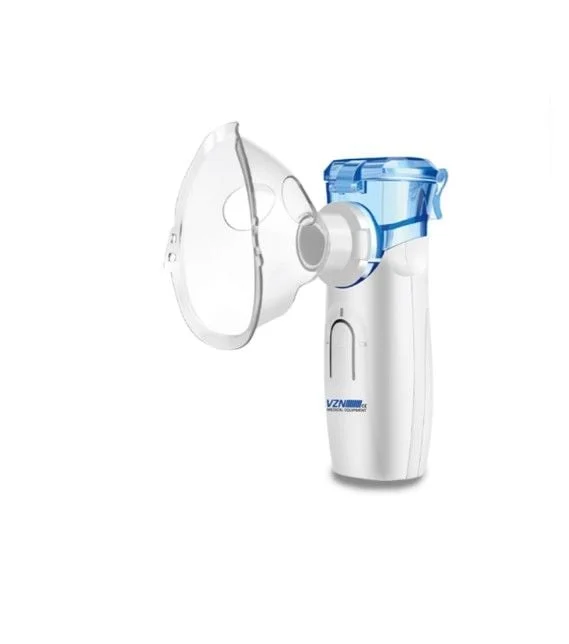
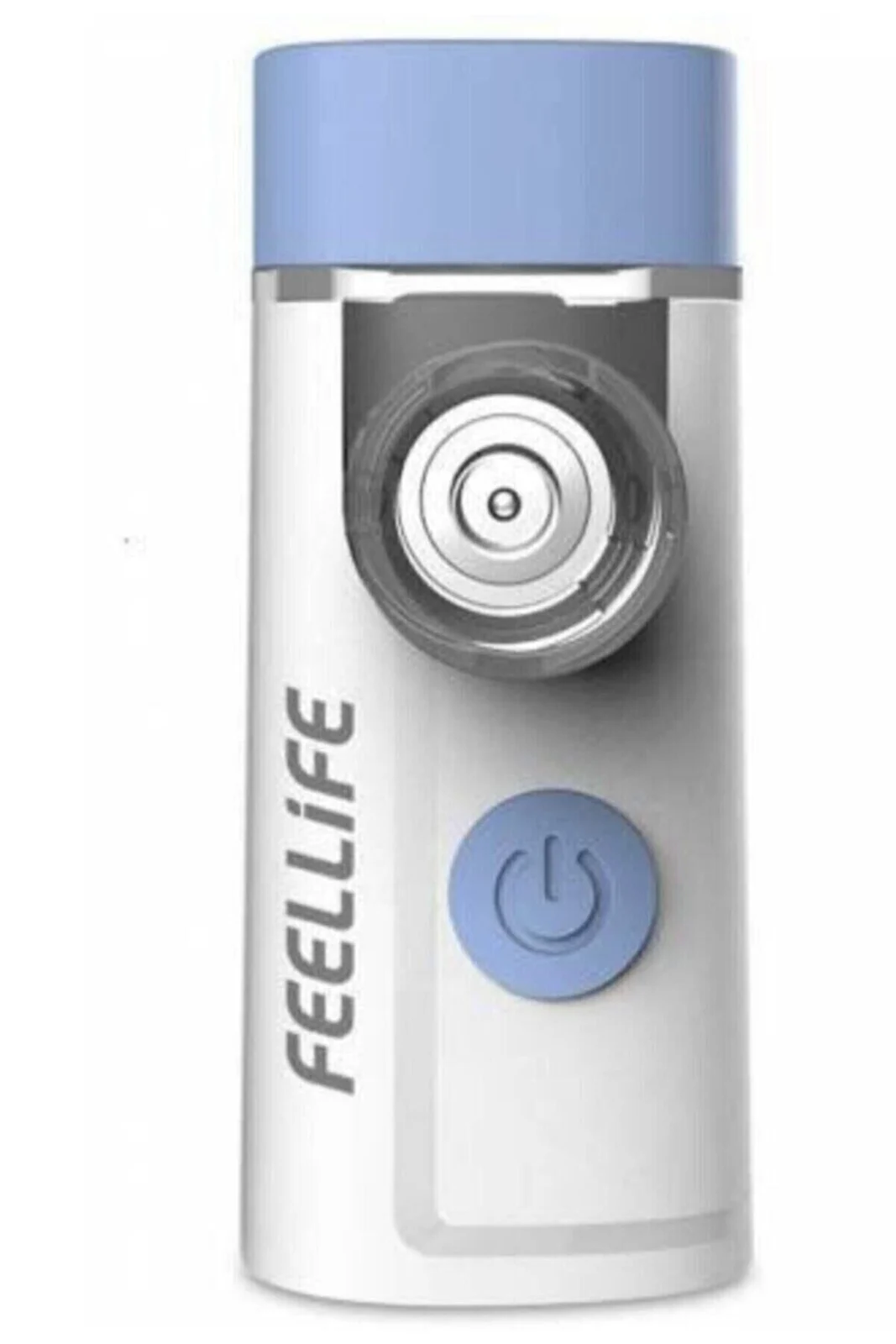
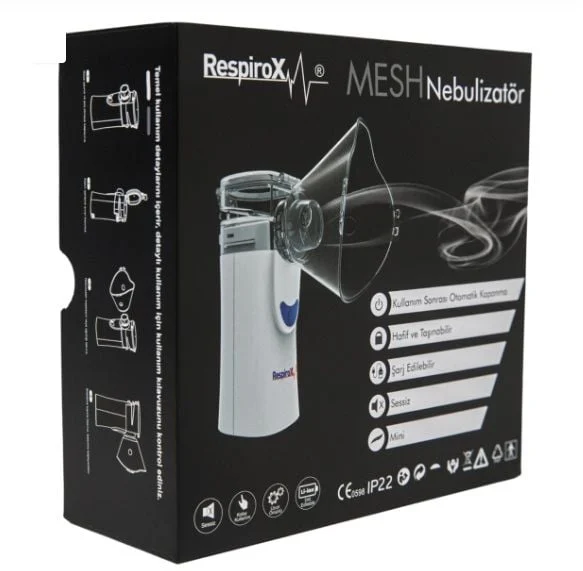
This routine applies to all mesh nebuliser models, including compact ones like the VZN YS35, Feellife Air Pro 3, and Respirox YS32, though the number of removable parts varies by model.
Weekly Deep Clean
The daily rinse handles surface residue. A more thorough clean once a week is recommended to keep everything hygienic and performing well.
- Disassemble the device. Separate the chamber, mouthpiece, mask, and any valve components as shown in your user manual.
- Wash the parts in warm water. A mild disinfectant or a solution of equal parts water and white vinegar works for most models. Avoid strong chemicals; they can degrade plastic and silicone.
- Clean the mesh plate separately (see the section below).
- Rinse all parts thoroughly. Make sure no detergent or vinegar residue remains.
- Leave everything to dry completely at room temperature. Once the parts look dry, give them extra time before reassembling.
- Store the dry parts in a clean case or the original packaging.
Cleaning the Mesh Plate: The Most Important Step
The mesh plate is the most delicate component in the entire device. Cleaning it incorrectly can cause permanent damage.
What You Can Do
- If your manufacturer permits it, gently wipe the surface of the plate with a damp, clean fingertip or a moist cotton bud, using very light pressure.
- If your manual allows it, soak the plate briefly in distilled water or a diluted white vinegar solution to loosen stubborn deposits.
- Wipe the underside of the plate carefully with a damp, lint-free cloth if accessible.
What to Avoid
- Never scrub with any hard object: brushes, toothpicks, needles, or fingernails can permanently block or enlarge the holes.
- Do not place the plate in an ultrasonic cleaner unless your manufacturer specifically recommends it.
- Keep it away from ovens, microwaves, and steam sterilisers; high heat warps the plate's structure.
- Do not use concentrated alcohol, bleach, or acidic cleaning products.
If the device still produces weak or no mist after cleaning, the mesh plate may be blocked beyond recovery or worn out. You can check the spare parts page for a replacement.
Common Mistakes at a Glance
| Mistake | Why It Is a Problem |
|---|---|
| Reassembling while still damp | Moisture damages electronics and shortens mesh plate life |
| Putting parts in the dishwasher | High heat and harsh detergents warp plastic components |
| Using a hair dryer to dry parts | Hot air can damage silicone seals and the mesh plate |
| Not disconnecting from power before cleaning | Electrical safety risk |
| Leaving medicine in the chamber | Residue dries and blocks the mesh plate |
| Using strong chemicals | Can degrade plastic, silicone, and metal surfaces |
Caring for Masks and Mouthpieces
Masks and mouthpieces come into direct contact with the mouth and nose, so they deserve extra care. Rinse them under warm water after every use. If the device is shared by more than one person, each person should have their own accessories. You can find replacement options in our masks and mouthpieces category.
Storage Tips
- Before storing the device for any length of time, make sure every part is clean and fully dry.
- Keep it in its original box or a clean, closed case.
- Avoid storing in direct sunlight or in humid rooms such as the bathroom.
- After a long period of storage, inspect all parts and rinse them before the first use.
For advice on which medicine to use, at what dose, and how often, speak to your doctor or pharmacist. If you have any questions about choosing or caring for a device, feel free to get in touch with us.
Frequently asked questions
- Do I really need to clean my mesh nebuliser after every single use?
- Yes. Any medicine left in the chamber dries on the mesh plate and blocks the tiny holes over time. Emptying the chamber and rinsing with warm water after each session is the simplest way to maintain consistent performance and extend the device's life.
- Can I clean the mesh plate with a brush or a needle?
- No. Any hard object can permanently damage the microscopic holes in the mesh plate. If your manufacturer permits it, a gentle wipe with a damp fingertip or moist cotton bud is the safest approach.
- Is it safe to wash the parts in the dishwasher?
- Generally not. The high heat and strong detergents in a dishwasher can warp plastic and silicone components. Stick to warm running water unless your manufacturer's manual specifically says the dishwasher is safe.
- The mesh plate seems blocked even after cleaning. What should I do?
- Try the method recommended in your user manual. Many manufacturers allow a brief soak in distilled water or a diluted white vinegar solution to loosen stubborn deposits. If the problem persists, the plate may need replacing. Check the spare parts category for options.
- Can the whole family share one nebuliser?
- The main device body can be shared, but the mouthpiece and mask should be individual to each user. You can find replacement masks and mouthpieces in the masks and mouthpieces category.
- How should I store the nebuliser if I won't be using it for a while?
- Make sure every part is completely clean and dry, then store the device in its original box or a clean, closed case, away from direct sunlight and damp environments such as the bathroom. Before the first use after storage, inspect the parts and give them a quick rinse.
This article is general information, not medical advice. Your doctor and the user manual determine how the device and medication are used.