How to dry a nebuliser to avoid mould and odour
Damp nebuliser parts can lead to odour and mould. This guide covers how to separate, dry and store the parts after each use, with extra notes for mesh and compressor devices.
Washing a nebuliser is only half the job. The other half is drying it. If parts stay damp, the chamber, mouthpiece and tubing can start to smell, and over time you may see mould spots. This guide gives you a simple routine to follow after each use.
Please note: the manufacturer's user manual always comes first for cleaning and drying. It tells you which parts can be taken apart and which must not get wet. What follows is a general guide and does not replace the manual.
Why does drying matter so much?
Mould and odour need moisture. If you put a freshly washed part into a closed box while it is still wet, you create a damp, sealed space. The next time you use the device, you want the mist to pass through clean parts. Think of drying as the natural last step of washing.
A nebuliser only turns the medicine your doctor has prescribed into an inhalable mist. Keeping it clean does not change how the medicine is used. Still, not using a poorly maintained part is a sensible hygiene habit.
Before you dry: preparation
- Switch the device off and unplug it, or disconnect the charger, as soon as you finish.
- Empty any leftover medicine from the chamber as the manual describes. Do not leave medicine in the chamber for next time.
- Take apart the removable pieces: chamber, lid, mouthpiece or mask, and the tubing if your model has it.
- Wash and rinse them the way your manual describes. For the washing steps in detail, see Mesh Nebülizatör Nasıl Temizlenir? Günlük ve Haftalık Bakım.
- Give the parts a gentle shake to get rid of excess water.
Drying step by step
- Prepare a clean surface. A clean, dry, lint-free cloth or paper towel works well. Avoid a worktop with food residue on it.
- Lay the parts out side by side. Do not stack them. Air needs to reach every surface.
- Let the water drain. Place the chamber and mouthpiece at an angle so water can run off and you can see inside.
- Air dry. Wait until the parts are completely dry. They can look dry while water is still trapped in corners and joins, so hold them up to the light to check.
- Avoid direct heat. A radiator, hairdryer or very hot spot can warp plastic. Do not use these unless your manual clearly allows it.
- Pack away only when dry. If even one part is damp, keep it out of the box.
Drying summary by part
| Part | How to dry | Watch out for |
|---|---|---|
| Chamber and lid | Rest upside down on a clean cloth | Water left in inner corners |
| Mouthpiece / mask | Air dry, and check the edges and grooves | Silicone rims can hold moisture |
| Tubing (compressor devices) | Dry as the manual describes | Do not store tubing with water inside |
| Device body | Wipe the outside with a dry or slightly damp cloth only | Never submerge the body in water |
Extra care with mesh devices
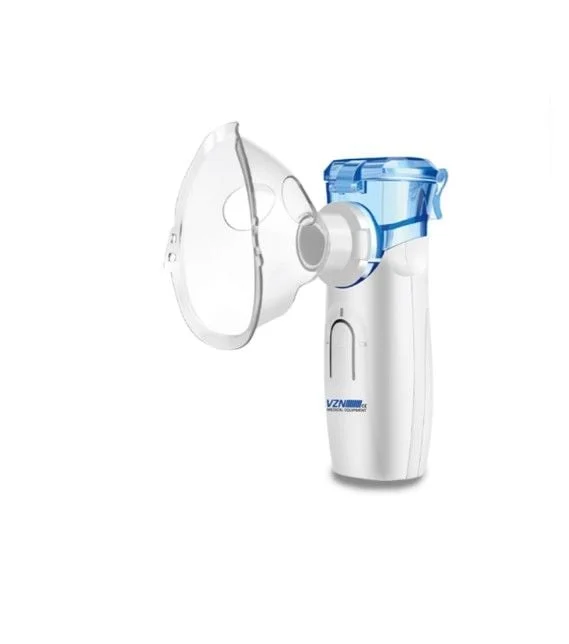
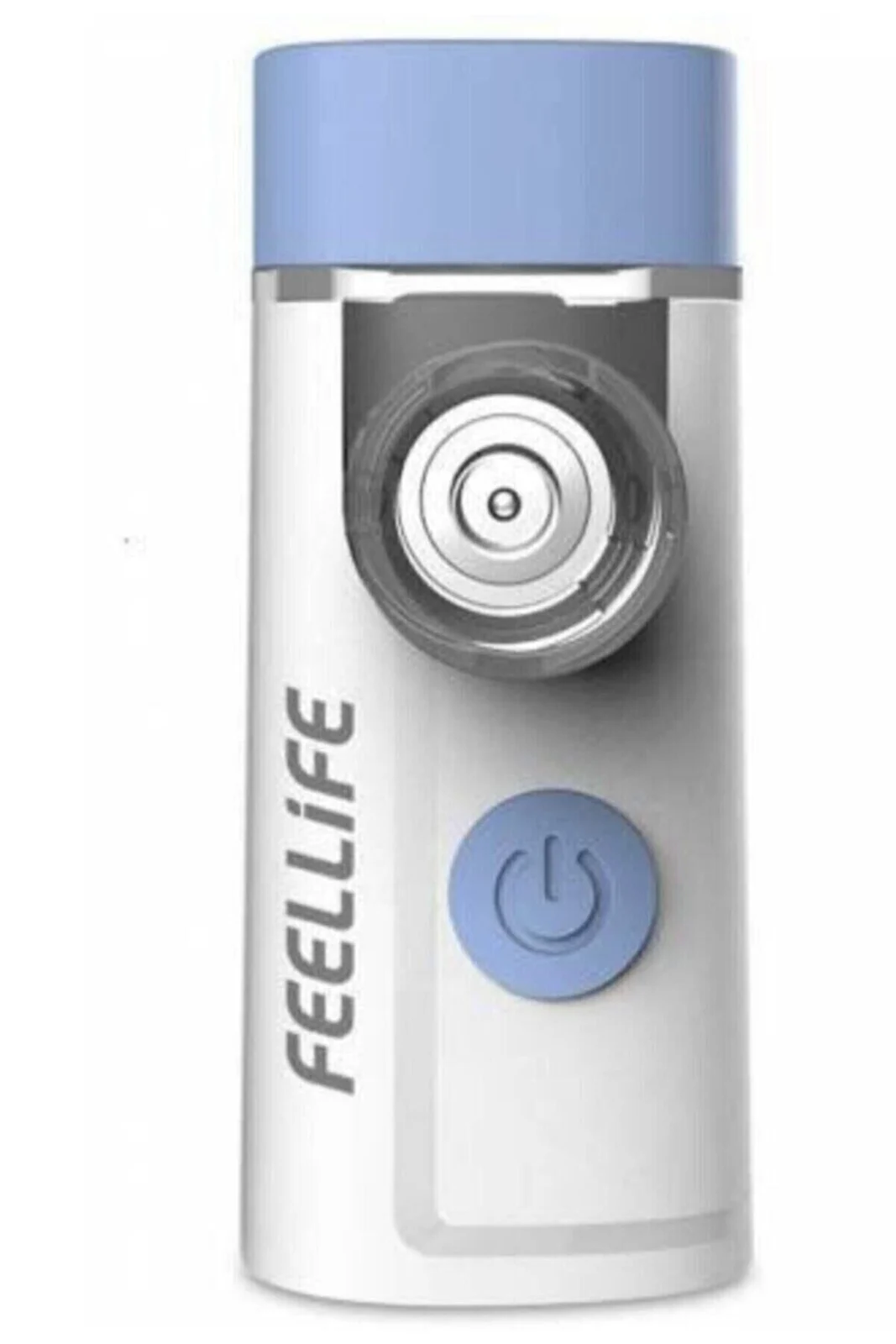
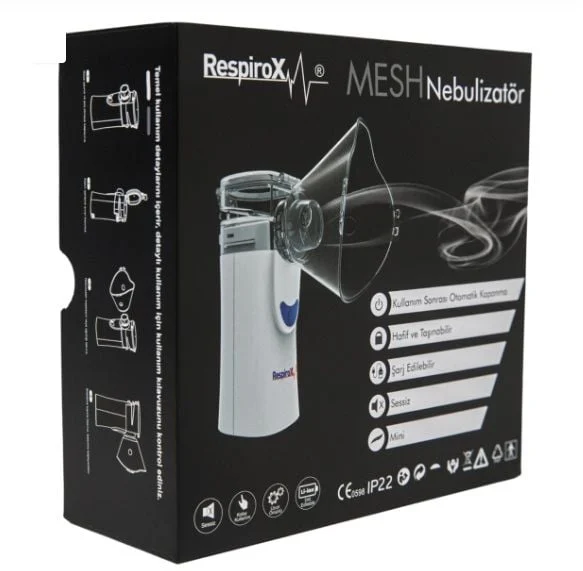
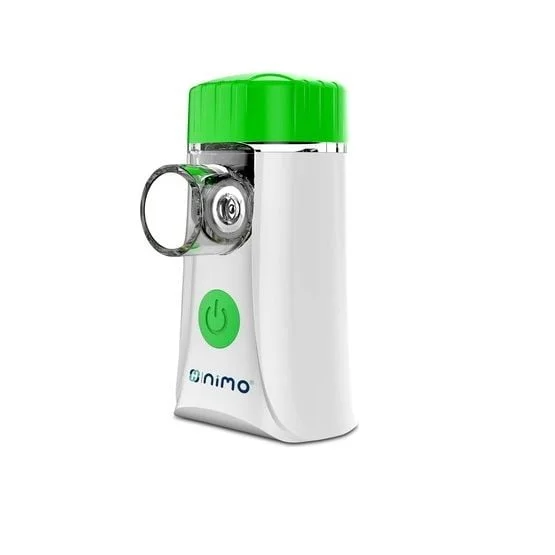
A mesh nebuliser has a small plate that turns the medicine into mist. This part is delicate. Do not rub it with anything hard and do not poke it with a pin or needle to clean it. Check your manual for the approved method. If the plate seems blocked or the mist weakens, our guide Mesh Plaka Ne Zaman Değiştirilmeli? Tıkanma Belirtileri may help.
Most mesh devices have no tubing, so there are fewer parts to dry. Even so, the chamber must be fully dry before you fit it back. You can browse our Mesh Nebülizatörler category.
Tubing on compressor devices
On a compressor device, air travels to the chamber through tubing. Moisture left inside the tube is one common cause of odour. Whether the tube can be washed, how to dry it and when to replace it depends on the model. For more detail, see Nebülizatör hortumu ve haznesi ne zaman değişir, nasıl temizlenir? You can look at the range on our Kompresörlü Nebülizatörler page.
Storage matters as much as drying
- Once the parts are completely dry, put them in a clean, dry box or bag.
- Keep them away from permanently damp rooms such as bathrooms.
- Do not leave them in direct sunlight.
- Rather than leaving the mask and mouthpiece on an open shelf to gather dust, store them somewhere clean and closed.
- If you travel, make sure everything going in the bag is dry. If you use a portable device, our battery and travel guide may also be useful.
If you notice a smell or marks
If a part has a lasting smell, a change in colour, black or greenish spots, or a sticky residue, stop using that part. Repeat the cleaning method from your manual once. If the smell or marks do not go away, replacing the part is the safer choice. You can find chambers, masks, mouthpieces and tubing on our Yedek Parça and Maske ve Ağızlıklar pages. Before ordering, check in your manual that the part fits your device.
Common mistakes
- Putting a wet part into a closed box.
- Drying parts on top of a radiator or heater.
- Leaving the device with medicine residue in the chamber.
- Washing a part the manual says must stay dry.
- Wiping with a cloth and leaving fibres behind. Air drying is usually better.
Quick checklist
- Is the device off and unplugged?
- Has the leftover medicine been emptied?
- Were the parts washed as the manual says?
- Are the parts drying side by side on a clean surface?
- Has every part been checked by eye before packing?
- Is the storage spot dry and clean?
Your doctor and pharmacist decide which medicine to use, at what dose and how often, so please talk to them if your symptoms continue, and for questions about parts or orders you can reach us through our contact page.
Frequently asked questions
- Is drying different for mesh and compressor devices?
- The basic rule is the same: nothing goes into storage until it is completely dry. With compressor devices the inside of the tubing needs drying too. With mesh devices, avoid touching the delicate plate and follow your manual.
- Can I wipe the parts with a towel?
- A clean, lint-free cloth is fine, but the safest option is to air dry the parts on a clean surface. Do not wipe the mesh plate. Follow the method in your manual.
- Can I use a hairdryer to speed things up?
- Not unless your manual clearly allows it. High heat can warp plastic parts. Air drying is the safer choice.
- What if a part still smells after cleaning?
- Repeat the cleaning method from your manual once. If the smell or marks stay, stop using that part and replace it.
- Can I store the dried parts in a closed box?
- Yes, but only once everything is completely dry. The box should be clean and dry, and kept away from damp places such as bathrooms.
This article is general information, not medical advice. Your doctor and the user manual determine how the device and medication are used.