Nebuliser Noise Level: What dB Means and Night Use
A nebuliser's dB figure shows how much sound it makes, but it does not tell the whole story. This guide explains how to read the number and how to keep noise low when you use the device at night.
Sound is one of the first things you notice when a nebuliser arrives. If a child is asleep or the household is winding down, you want to know how loud the device will be. The dB figure on a product page answers part of that question. This guide explains what the number means, what it leaves out, and what to watch for if you use the device at night.
What is dB, and what does it show on a nebuliser?
dB (decibel) is the unit for sound level. On a nebuliser, it describes the sound the device makes while it runs. In general, a lower figure means a quieter device.
Three points make the number easier to read:
- The scale is not linear. Decibels are logarithmic. A gap between two figures can look small on paper but sound more noticeable in the room.
- The test conditions matter. Manufacturers measure at a set distance in a controlled space. On a hard bedside table in your own room, the same device may sound different.
- The number does not describe the tone. Two devices with the same figure can sound different: one a low hum, the other a thin buzz. A thin, steady note bothers some people more than a deeper one.
So look at the dB figure, but do not rely on it alone. Check the manual or product description to see the conditions it was measured in. If a product page does not give a dB figure, we do not guess. Refer to the device's user manual for firm details.
How the device works shapes the noise
Where the noise comes from depends on the type of device. The key difference for this topic:
| Feature | Mesh nebuliser | Compressor nebuliser |
|---|---|---|
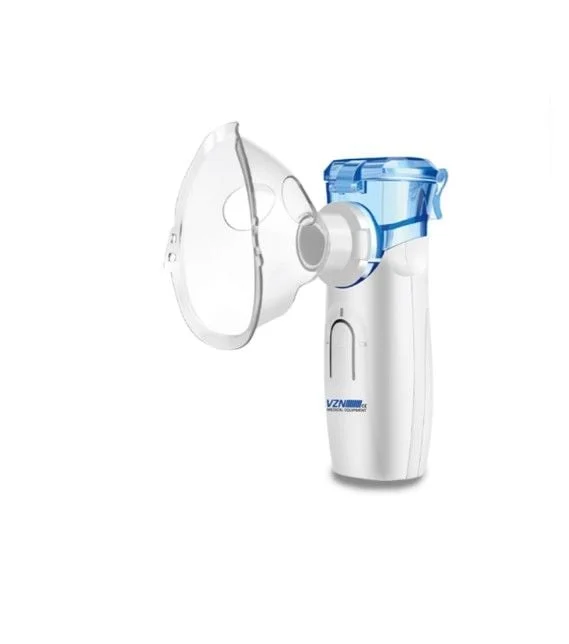
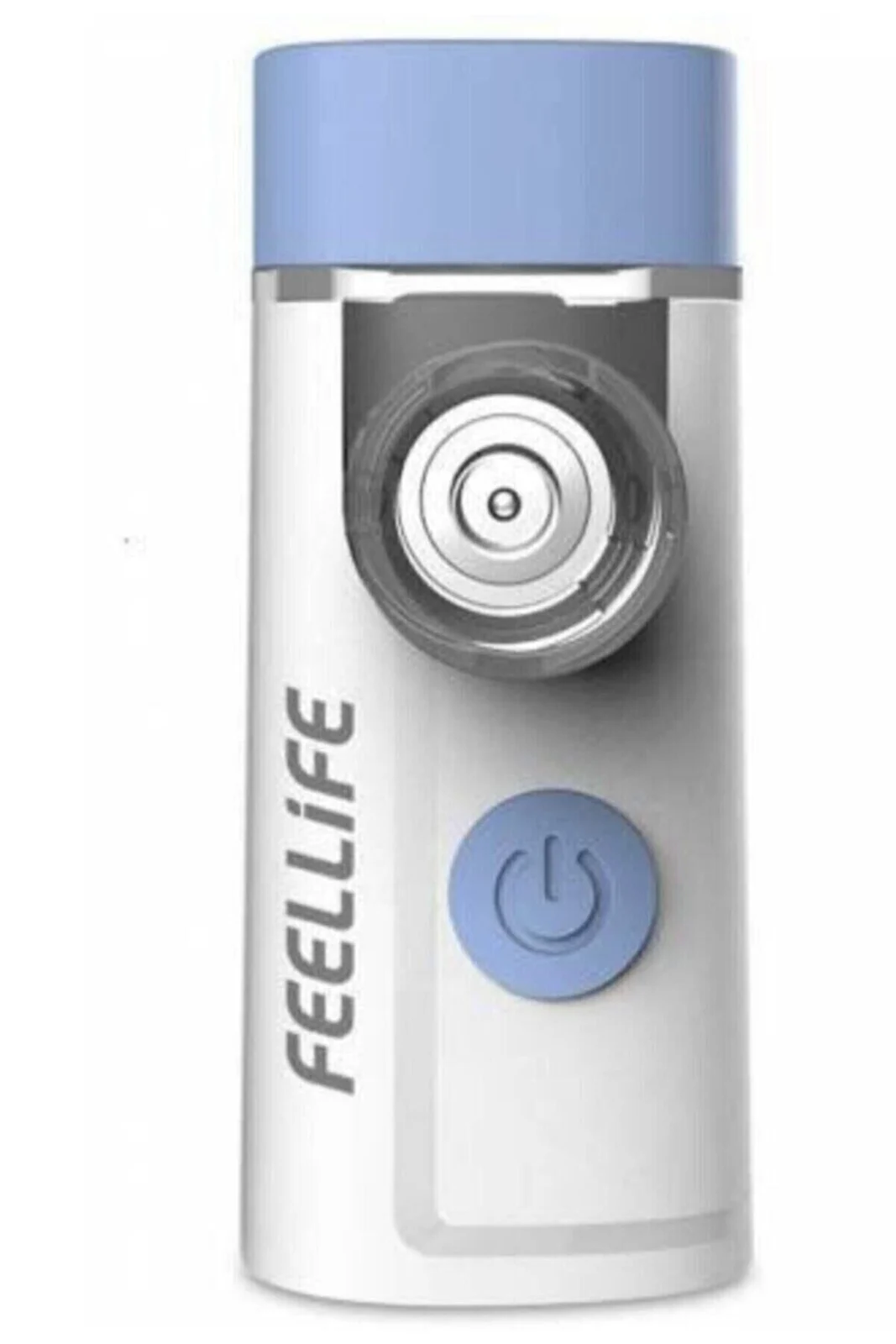
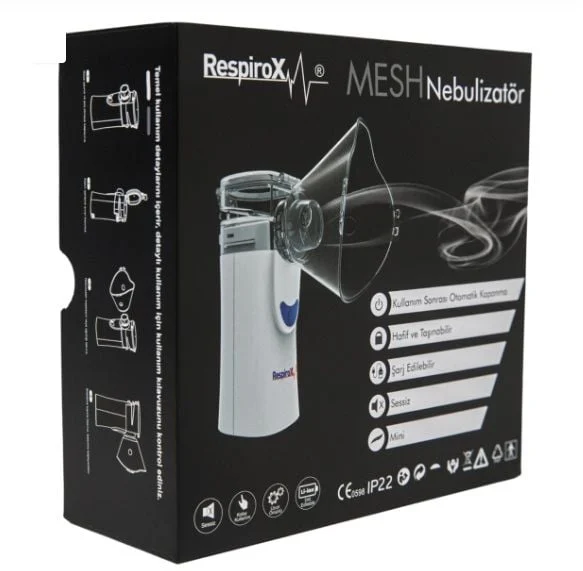
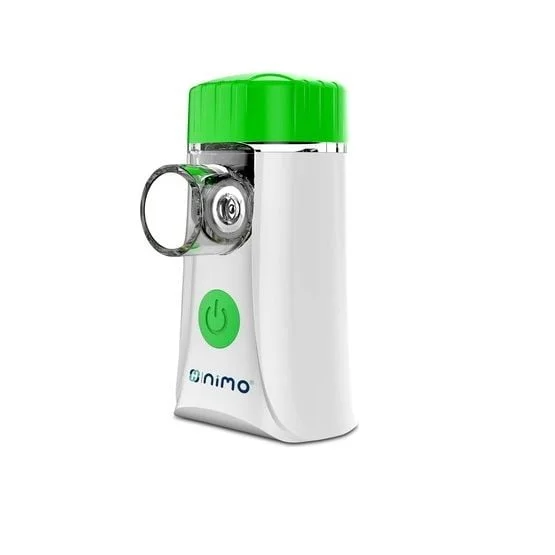
| Source of sound | Vibration of a small mesh plate | Compressor motor producing air |
| General noise level | With no motor, usually makes less sound | Motor and airflow can make it more noticeable |
| Character of sound | Light buzz | Steady motor drone |
| Tubing | Usually none | Yes; kinks can add airflow noise |
This table is a general guide. Every model sounds different, so rely on each device's own manual. You can browse mesh models under Mesh Nebulisers and compressor models under Compressor Nebulisers.
Night-time use: ask your doctor first
A nebuliser only turns the medicine your doctor has prescribed into an inhalable mist. Your doctor and pharmacist decide which medicine, what dose and how often. Do not decide for yourself whether a night-time session is needed, and ask your doctor whether a child should be given a treatment while asleep. If your doctor does recommend a night-time session, the steps below help keep noise down.
Placing the device in the room
- Put the device on a firm, flat and stable surface. A wobbly table turns vibration into noise.
- Do not set it right against the bed, but do not place it so far away that the tubing or cable is pulled tight.
- With a compressor device, do not cover the air inlet with a blanket or towel. Follow the manual on where to place the unit.
- Make sure the tubing is not kinked. A kink can affect both airflow and sound.
- Keep the socket and cable out of a child's reach and away from anything they could trip on.
Prepare before you start
- Get the medicine and the device ready during the day. Fitting parts in the dark makes mistakes more likely.
- Make sure the device is clean and dry before use. Our guide How to Clean a Mesh Nebuliser covers the routine, but the manufacturer's manual always comes first.
- Fill the chamber exactly as your doctor advises. See How Much Medicine Goes in the Nebuliser Chamber? for more detail.
- Do not leave a first test run for the night. Run the device once in the daytime and listen to it.
What if the sound changes?
A device's sound can change over time. If you notice a hiss, a thin whistle or an uneven note that was not there before, go through these checks:
- Check that all parts are fitted correctly.
- Look for leaks or kinks in the tubing and connections.
- Check whether the chamber is empty. A device running dry can sound different.
- On a mesh device, consider that the plate may be dirty or blocked. Our guide When Should You Replace the Mesh Plate? lists the signs.
If the problem continues, stop using the device and follow the manual. You can find consumables such as plates and masks under Spare Parts.
A buying checklist for noise
- Does the product page or manual give a dB figure? Under what conditions was it measured?
- Do you want a mesh or a compressor model? If you want to avoid motor noise, look at mesh models.
- If the device is battery powered or rechargeable, check the description and manual for how it is powered and what that means for cables and sockets.
- Is the mask or mouthpiece suitable for your child? A loose mask can make a child restless. Have a look at Masks and Mouthpieces.
- Do the session length and medicine amount match your doctor's advice?
Make your decision from what the product page actually states. Do not buy on the assumption of a feature that is not listed. If the device is not what you expected when it arrives, see our returns and exchanges page for the conditions.
Helping a child get used to the sound
Some children are bothered less by the noise than by the mask or the mist. If you think sound is the issue, run the device for a short time in the daytime while your child is awake and let them get to know it. Once the sound feels familiar, restlessness during a session can ease. If your child keeps resisting treatment, talk to your doctor about it.
For night-time use, medicine doses or whether a device suits you, please talk to your doctor or pharmacist, and if you have questions about our products you can reach us on our contact page.
Frequently asked questions
- Does a lower dB figure always mean a quieter nebuliser?
- In general, yes, but the measuring distance and conditions matter, and the tone of the sound differs too. Read the figure together with the test conditions in the manual.
- Is a mesh nebuliser quieter than a compressor one?
- A mesh device has no motor, so it usually makes less sound. Every model still differs, so check the device's own manual for firm details.
- Can my child use a nebuliser while asleep?
- Your doctor decides whether a night-time session is needed and whether it should be given during sleep. Do not change medicine times on your own.
- What should I do if the sound of the device changes?
- Check that the parts are fitted correctly, that the tubing is not kinked and what state the chamber is in. On a mesh device the plate may be dirty. If the problem continues, stop using it and follow the manual.
- What if the product page does not list a dB figure?
- Check the manual or write to us through our contact page. We do not guess values that are not provided.
This article is general information, not medical advice. Your doctor and the user manual determine how the device and medication are used.