When to Replace Your Mesh Plate: Signs of Clogging
A clogged or worn mesh plate reduces mist output and prolongs treatment time. This guide explains how to tell whether cleaning will fix the problem or a replacement plate is needed.
The mesh plate (also called the mesh head or mesh membrane) is the most delicate part of a mesh nebuliser. It is a thin metal film perforated with hundreds or thousands of microscopic holes. Over time it can become clogged with medicine residue or simply wear out, causing reduced mist output, longer treatment sessions, or no mist at all. This guide walks you through how to tell whether a clean will fix the problem or whether the plate needs replacing.
What the Mesh Plate Does and Why It Matters
A piezoelectric element vibrates the mesh plate at high frequency, breaking liquid medicine into tiny particles that can be inhaled. As long as the holes remain clear and undamaged, the nebuliser works efficiently. When the holes become blocked or the surface is scratched, performance drops quickly.
Jet (compressor) nebulisers do not use a mesh plate, so the care and replacement steps in this guide apply only to mesh nebulisers.
Rule Out Other Causes First
Reduced mist output does not always mean a blocked or worn mesh plate. Before deciding to replace it, work through this checklist:
- Battery or charge level: A low battery directly reduces mist output. Charge the device fully or fit fresh batteries, then test again.
- Medicine type and viscosity: Some oily or thick solutions clog the mesh more quickly than others. Check the manufacturer's manual for a list of compatible medicines and preparations.
- Water quality: Hard water can leave limescale deposits on the mesh over time. If your manual recommends it, use distilled or purified water when preparing solutions.
- Last cleaning date: If the plate has not been cleaned recently, clean it according to the manufacturer's instructions before drawing any conclusions about replacement.
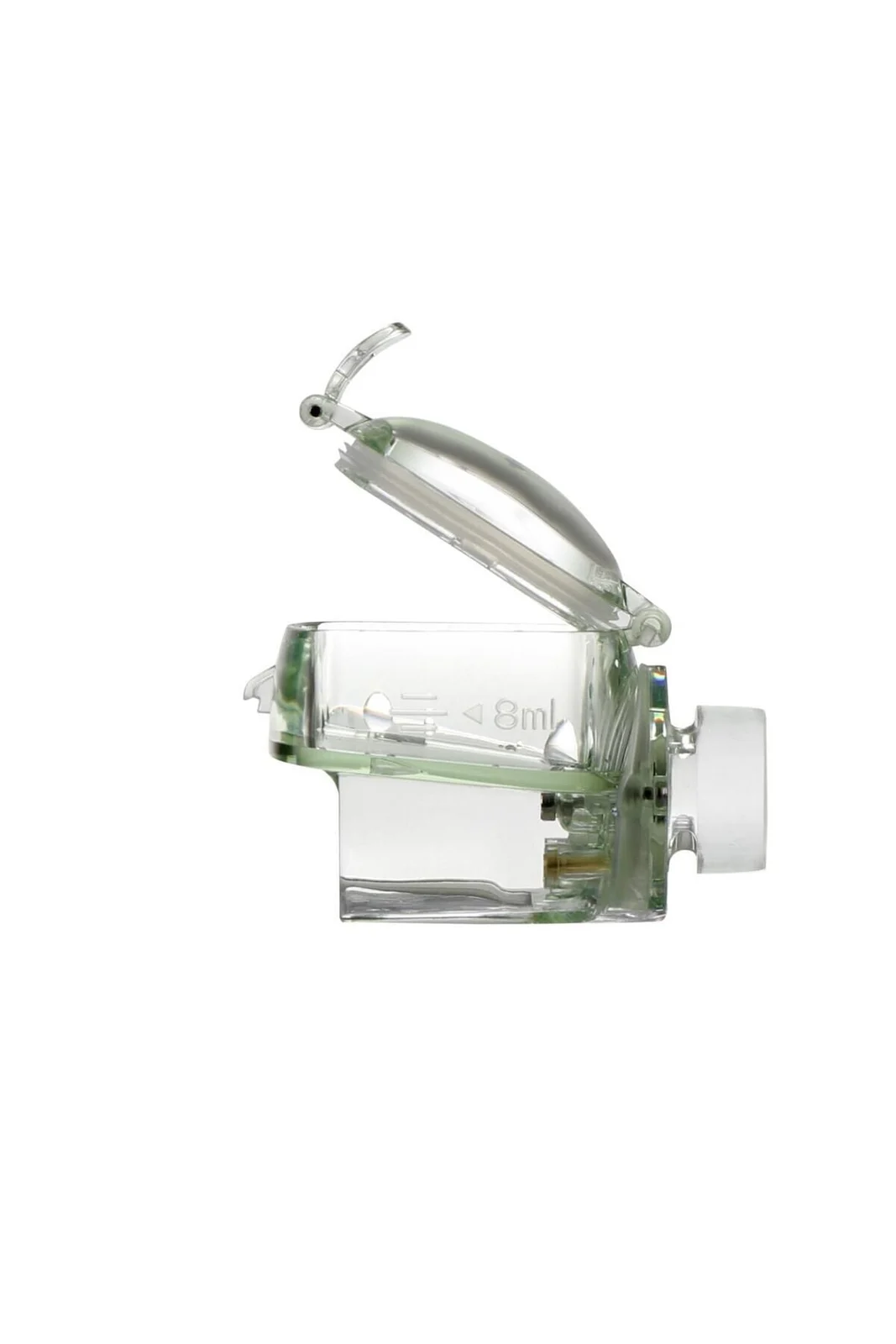
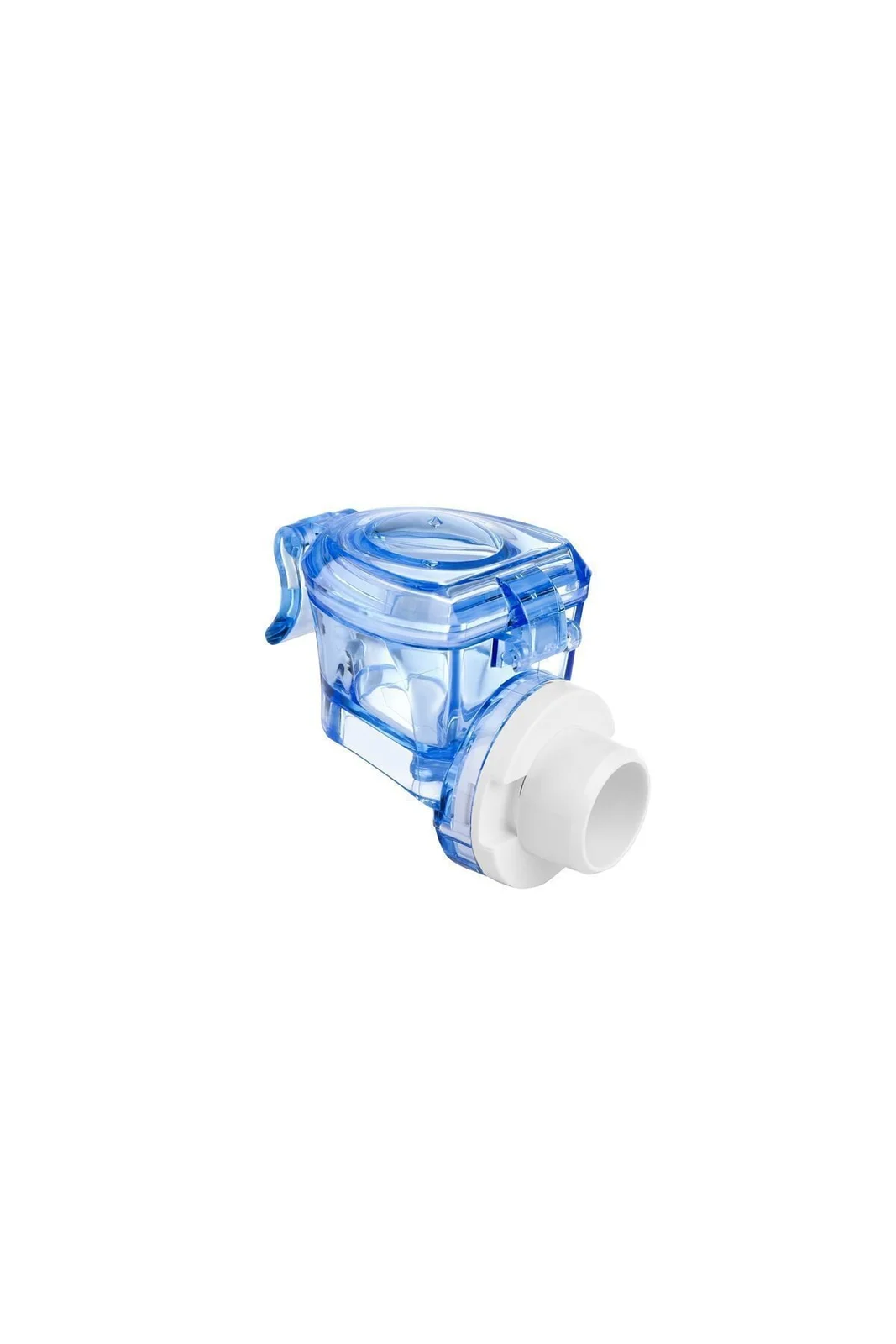
- Medicine cup seating: If the cup is not fully locked in place, mist output may be weak. Check that all parts click or seat firmly.
If you have gone through every point above and the problem persists, the plate itself is the most likely cause.
Signs That Point to a Clogged or Damaged Plate
One or more of the following symptoms suggest the mesh plate needs closer inspection:
- Mist output is noticeably weaker than usual, producing only a thin wisp of vapour.
- Sessions are taking much longer to empty the medicine cup.
- The device sounds like it is running normally but produces almost no visible mist.
- Liquid is pooling in the medicine cup rather than being atomised.
- Mist is coming out in one direction only, or the spray pattern is uneven.
- You can hear clicking or unusual sounds that were not there before.
- On close inspection the plate surface shows white deposits, discolouration, or visible marks.
Cleaning vs. Replacement: How to Decide
Not every symptom calls for a new plate. The table below offers a straightforward way to decide which action is appropriate:
| Situation | Recommended Action |
|---|---|
| Reduced output noticed for the first time; plate has not been cleaned recently | Clean the plate following the manufacturer's instructions |
| Mist returns to normal after cleaning | No replacement needed; keep up with regular cleaning |
| Output remains weak even after cleaning | Replace the plate |
| Visible scratches, holes, or permanent staining on the plate surface | Replace immediately |
| No mist at all, even after cleaning | Replace immediately |
| Device has been in regular use and the plate has never been replaced | Replace in line with manufacturer's recommendation |
Important: Always refer to the manufacturer's manual for the correct cleaning method, materials, and frequency. Using the wrong technique or solution can damage the plate and void any applicable warranty.
How Often Should the Mesh Plate Be Replaced?
There is no single answer that fits all devices and usage patterns. The right interval depends on how often you use the nebuliser, which medicines you put through it, and how consistently you clean it. A few general points:
- Daily users will wear out a plate far sooner than someone who uses the device a few times a month.
- Some manufacturers give a recommended replacement interval in terms of sessions or months; check your device manual for this figure.
- Consistent, correct cleaning significantly extends plate life.
- Regardless of time, any noticeable drop in performance or visible damage is a signal to replace the plate straight away.
What to Bear in Mind When Fitting a New Plate
An incompatible or incorrectly fitted plate can damage the device or affect how medicine is delivered. Keep the following in mind:
- Use only a replacement plate designed for your specific model. Plates made for a different model are generally not interchangeable.
- Choose original or manufacturer-approved spare parts wherever possible.
- Switch the device off before starting and follow the steps in the manual in order.
- Avoid touching the plate surface with bare fingertips; skin oils and dirt can accelerate clogging.
Where to Find a Replacement Mesh Plate
Replacement mesh plates are listed in our Spare Parts section. Having your device model name and number to hand makes it much easier to pick the right part. If you are unsure which plate is compatible with your device, get in touch with us and we will point you in the right direction.
Your doctor or pharmacist should always advise on which medicine to use, the correct dose, and how often to nebulise. If you have an ongoing respiratory complaint, please consult a healthcare professional.
Frequently asked questions
- How often should a mesh plate be replaced?
- There is no fixed interval because it depends on how frequently you use the device, which medicines you run through it, and how regularly you clean it. Follow any replacement schedule given in your manufacturer's manual. If no interval is specified, a drop in performance or visible damage is the most reliable sign that a new plate is needed.
- Does reduced mist always mean the plate needs replacing?
- Not necessarily. First check battery or charge level, medicine type, water quality, and how recently the plate was last cleaned. If mist output returns to normal after a proper clean, no replacement is needed.
- What should I use to clean the mesh plate?
- The correct materials and method vary between models, so always follow the manufacturer's manual. Using the wrong solution or technique can damage the microscopic holes in the plate surface.
- My device sounds like it is running but produces no mist at all. What should I do?
- Charge the device fully and clean the plate according to the manual. If there is still no mist after cleaning, the plate may have permanent damage and will need to be replaced.
- Can I fit a mesh plate from a different model?
- It is not recommended. Mesh plates are generally model-specific, and using a plate designed for a different device can result in poor performance or cause damage. Always use a plate specified for your exact model.
- Where can I buy a replacement mesh plate?
- You can find replacement plates in the Spare Parts section of our shop. Have your device model name or number ready to make sure you select the right part. If you are not sure which plate fits your device, contact us and we will help.
This article is general information, not medical advice. Your doctor and the user manual determine how the device and medication are used.